

We're Here to Assist You
Mice in Stittsville: Early Signs They May Be Moving Indoors
Category: Holiday
Published: June 14, 2026
By: Owner, Wayne’s Pest Extermination
What I Walked Into
A typical mouse concern often begins with something small: scratching behind a wall, droppings inside a cabinet or damaged food packaging in a storage area.
When I assess this type of situation, I look beyond the first sign. Mice may travel behind walls, beneath stored belongings and along quiet edges where their activity can remain unnoticed.
The goal is to understand where the mice are active, what may be attracting them and how they could be entering the property.

The Problem
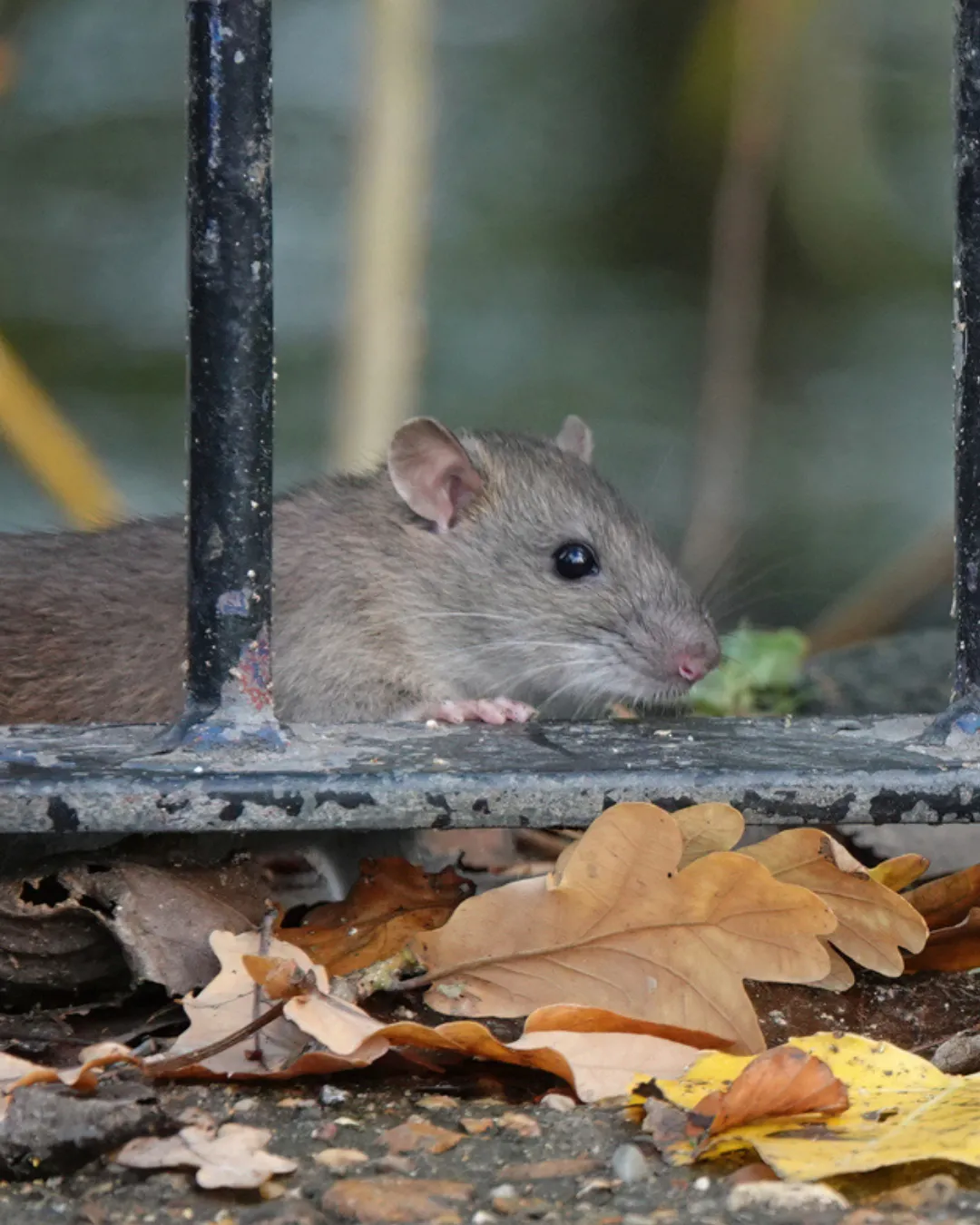
Mouse activity can remain hidden until visible signs begin appearing around the property.
Common signs include:
Small droppings around cabinets, garages or storage areas
Scratching or movement behind walls and ceilings
Gnaw marks on packaging or stored materials
Shredded paper, insulation or other nesting material
Damaged food packaging
Activity around utility lines, vents and foundation openings
Unusual smells in enclosed areas
Repeated activity along walls and quiet corners
Food, water and shelter can make a property more attractive. Accessible garbage, pet food, clutter and stored belongings may provide mice with what they need to remain active.
Even when only one mouse is seen, the surrounding areas should be checked for additional signs.
The Process
I begin by asking where and when the homeowner noticed the activity. This helps identify the areas that require closer attention.
Next, I inspect accessible interior areas for droppings, gnawing, nesting material and possible travel routes. Garages, basements, storage rooms, kitchens and utility areas are common places to examine.
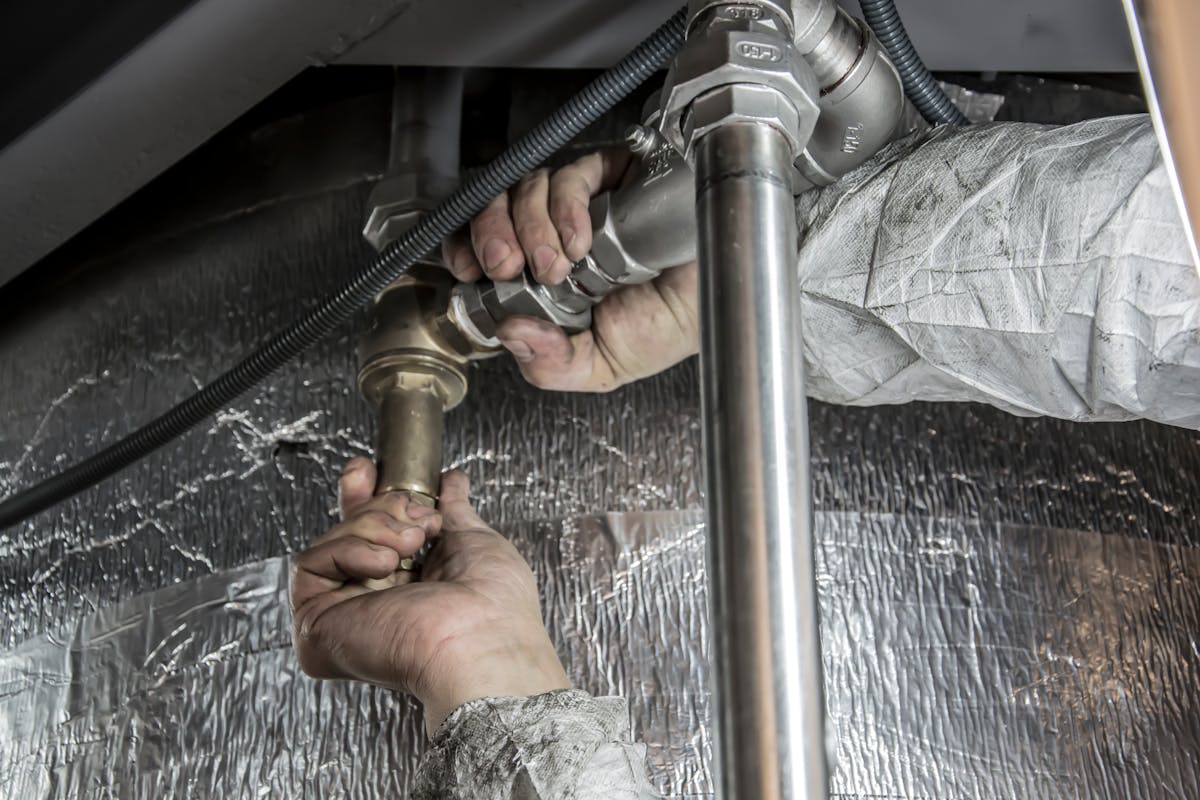
I also review accessible exterior areas around doors, foundations, utility connections and vents. A damaged cover or unprotected opening may give mice access to a sheltered interior space.
The recommended service depends on the activity level, affected areas and property conditions.
Prevention recommendations may also be provided for food storage, garbage, clutter, moisture and exterior maintenance.
The Outcome
A proper inspection gives the homeowner a clearer picture of where mouse activity is occurring and which conditions may be supporting it.
The recommended service should address the active areas while also considering sanitation, monitoring and vulnerable exterior openings.
Longer-term improvement depends on addressing both the mice already present and the conditions that may allow activity to return.

DIY Advice I Shared
Here are practical steps that may help reduce mouse activity:
Store food and pet food in tightly sealed containers
Keep garbage in containers with secure lids
Clean food crumbs and spills promptly
Reduce clutter in basements, garages and storage areas
Keep stored items raised and organised
Check doors for damaged weather stripping
Inspect accessible foundation and utility openings
Repair damaged exterior vent covers
Move firewood and unnecessary stored materials away from the building
Monitor quiet areas for new droppings or gnaw marks
Do not sweep or vacuum dry rodent droppings. They should be approached carefully and cleaned using appropriate disinfection precautions.
"It's brighter than before!"
— Megan
Professional Insight
Mouse control works best when the service considers more than the place where a mouse was first seen.
Food, shelter and exterior access often connect different areas of the property. Focusing only on a single room may leave other activity or entry points unnoticed.
A property-focused inspection can help determine which service and prevention steps are appropriate.
Closing Thoughts
If you hear scratching, discover droppings or notice damaged food packaging, avoid waiting for the activity to become more established.
Wayne’s Pest Extermination can inspect mouse activity around homes and businesses across Stittsville & Greater Ottawa and recommend an appropriate next step.
Call +1 343-308-7224 or complete the website form to request service.
Thanks for reading,
— Wayne’s Pest Extermination

Address
Sweetnam Dr, Stittsville, ON K2S 1G2, Canada
Contact Us
Call: +1 343-308-7224
© 2026 Wayne's Pest Extermination. All Rights Reserved.