

We're Here to Assist You
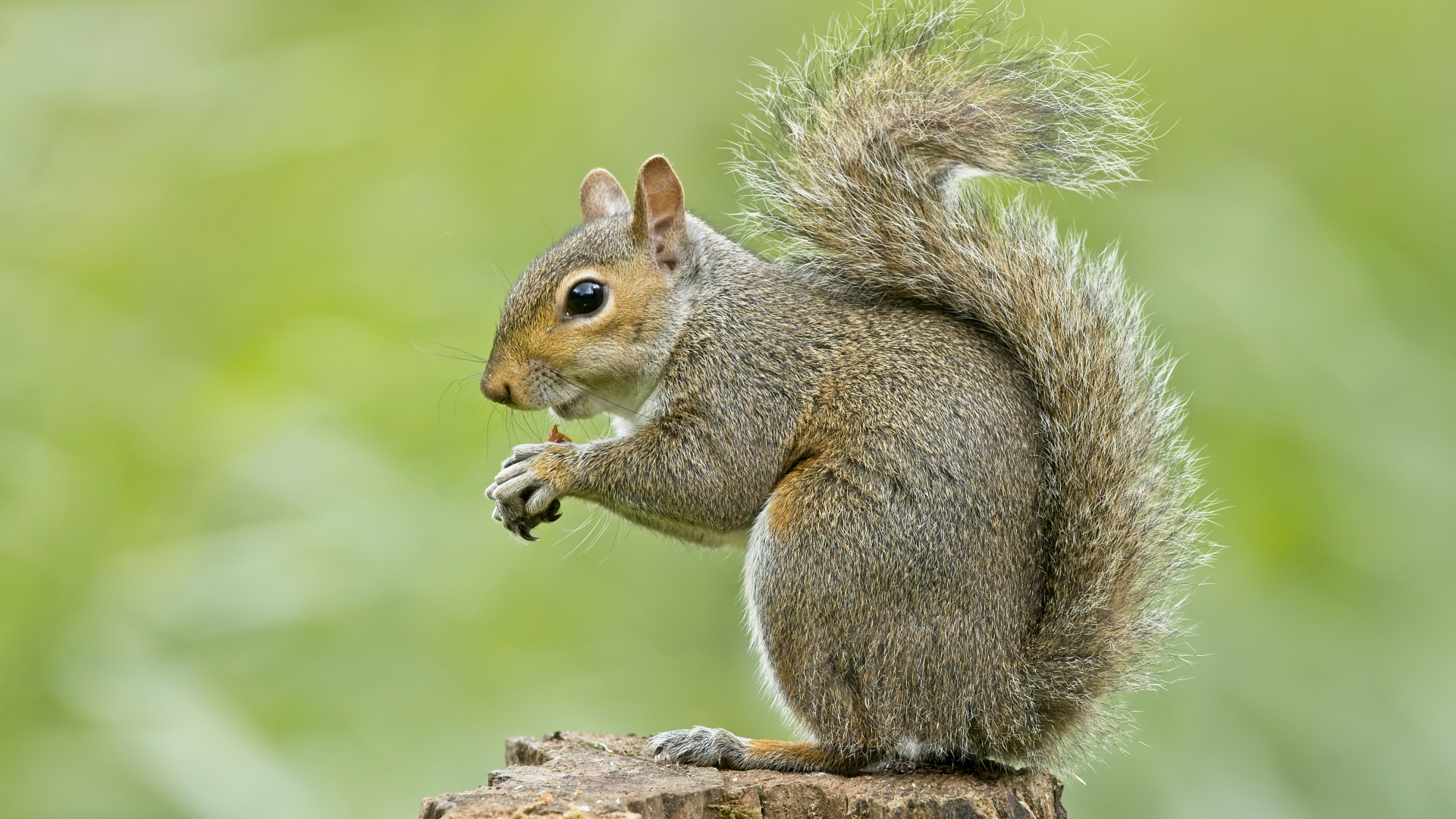
Squirrels Near the Roofline: What Stittsville Homeowners Should Watch For
Category: Holiday
Published: July 12, 2026
By: Owner, Wayne’s Pest Extermination
What I Walked Into
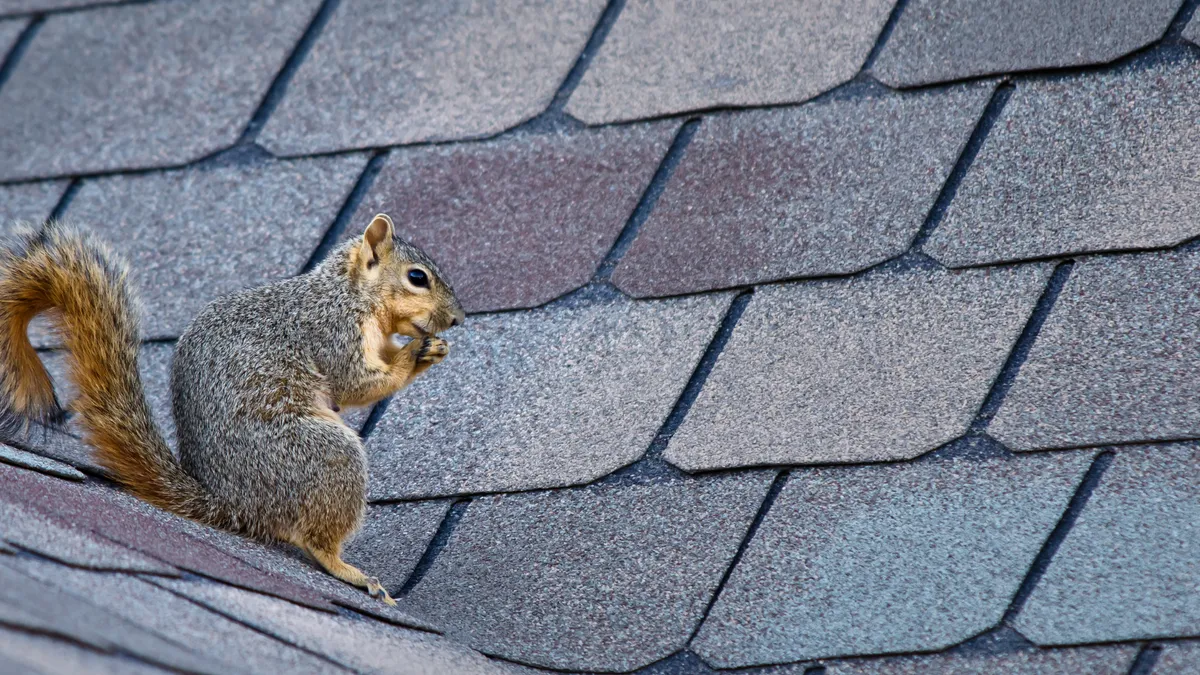
Squirrel concerns often begin with daytime scratching above a ceiling or repeated movement around the same section of a roofline.
When I review this type of activity, I look at where the squirrel is travelling and whether there are loose soffits, damaged vents or other vulnerable exterior areas nearby.
The important question is not only whether squirrels are present. It is also whether they are simply crossing the roof or using an opening to access a sheltered space.

The Problem
Squirrels are active climbers and may investigate sheltered locations around a building.
Possible signs of a squirrel concern include:
Scratching or movement during daylight hours
Repeated activity around the same roofline area
Loose, lifted or damaged soffit materials
Chewed edges around an accessible opening
Disturbed insulation or nesting material
Activity near chimneys or exterior vents
Sounds above ceilings or inside attic areas
Branches providing convenient access to the roof
A squirrel may use an existing damaged area or enlarge a vulnerable opening. Once access is established, the animal may shelter or build nesting material inside.
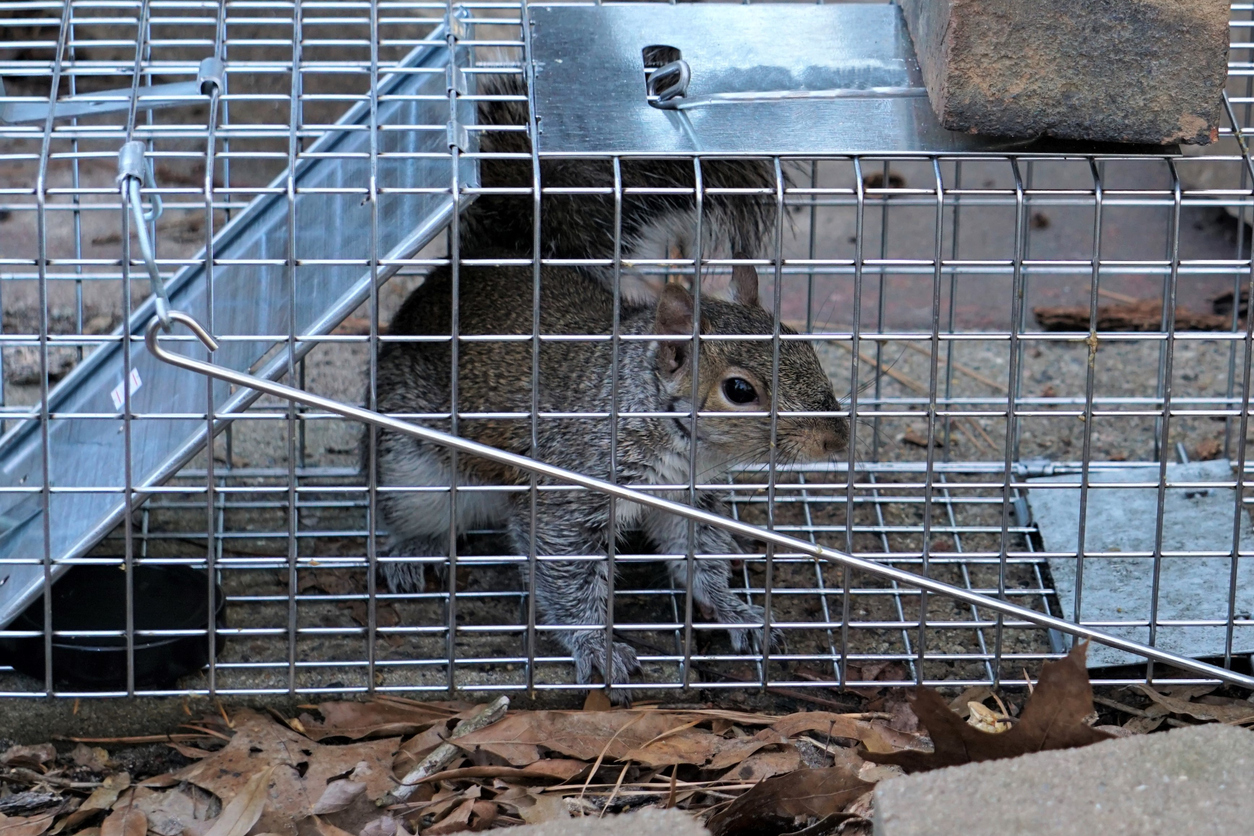
Closing the opening without first checking the area could trap an animal inside or cause it to search for another route.
The Process
I begin by asking where the sounds or exterior activity have been noticed and what time of day they usually occur.
Next, I review accessible roofline areas from a safe position. Soffits, fascia boards, vents, roof edges and nearby branches may help explain how the squirrel is reaching the affected area.
The activity and possible entry point must be assessed before exclusion or repair is recommended. It is also important to consider whether young animals could be present.
The service plan depends on the location, accessibility and activity found around the property.
Recommendations may include monitoring, wildlife removal, exclusion or repairs to suitable exterior openings.
The Outcome
A careful assessment helps distinguish between a squirrel passing across the roof and one repeatedly using a particular opening.
Once the active area is identified, the homeowner can receive clearer recommendations for removal, monitoring and property protection.
Repairs should be completed only when the affected space has been properly assessed and it is appropriate to secure the opening.

DIY Advice I Shared
Homeowners can take several practical steps without approaching the animal:
Observe the activity safely from ground level
Note the location and time that movement occurs
Do not enter an attic while an animal may be inside
Avoid blocking an active opening before assessment
Keep garbage containers securely closed
Avoid leaving accessible food outdoors
Inspect visible vents and soffits for damage
Maintain tree branches where appropriate and safe
Watch for repeated activity around the same roof area
Arrange an assessment when scratching or entry continues
Do not attempt to grab, corner or handle a squirrel. Wildlife may become defensive when frightened or trapped.
"It's brighter than before!"
— Megan
Professional Insight
Wildlife activity around a roofline should be approached carefully because the visible opening may not show the full extent of the situation.
The animal’s access route, nesting status and affected space should be considered before anything is sealed. This reduces the risk of trapping wildlife inside or overlooking another vulnerable area.
Exterior vent replacement may help when a suitable damaged vent cover is involved, but the opening must first be assessed.
Closing Thoughts
If you hear daytime scratching or repeatedly see squirrels near the same roofline area, take note of where the activity is occurring.
Wayne’s Pest Extermination provides squirrel-related services and exterior assessments throughout Stittsville & Greater Ottawa.
Call +1 343-308-7224 or complete the website form to discuss the activity and request an inspection.
Thanks for reading,
— Wayne’s Pest Extermination

Address
Sweetnam Dr, Stittsville, ON K2S 1G2, Canada
Contact Us
Call: +1 343-308-7224
© 2026 Wayne's Pest Extermination. All Rights Reserved.