We're Here to Assist You
Why Sow Bugs Keep Appearing in Damp Stittsville Basements
Category: Holiday
Published: September 1, 2026
By: Owner, Wayne’s Pest Extermination
What I Walked Into
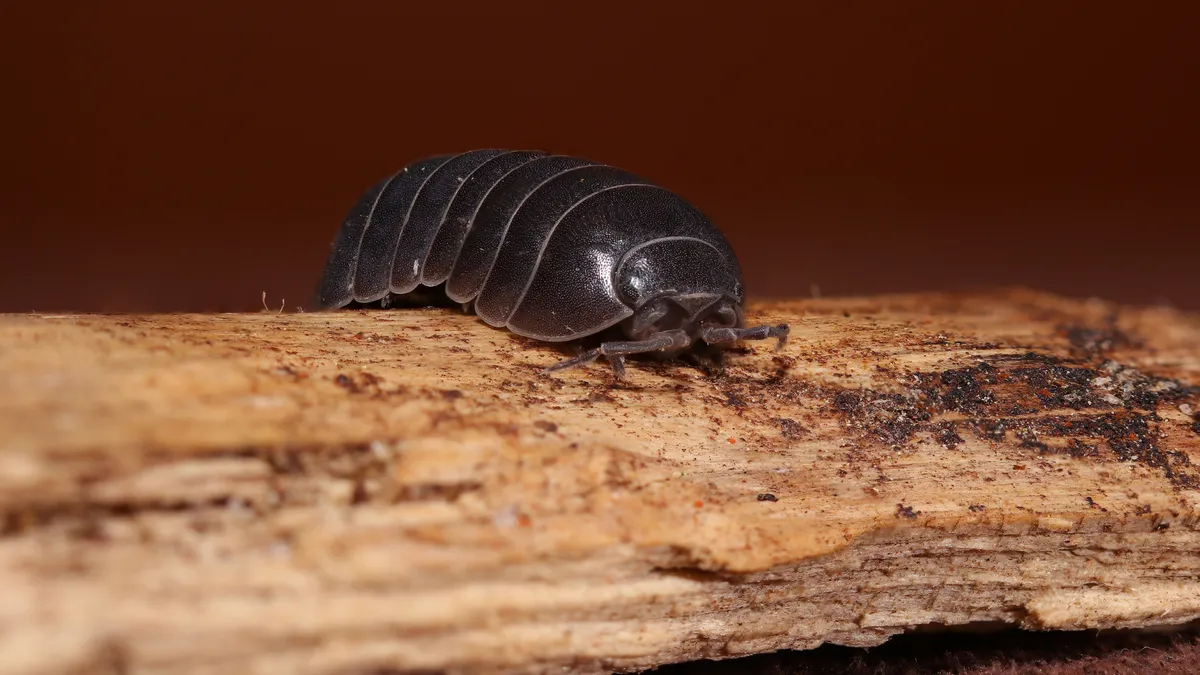
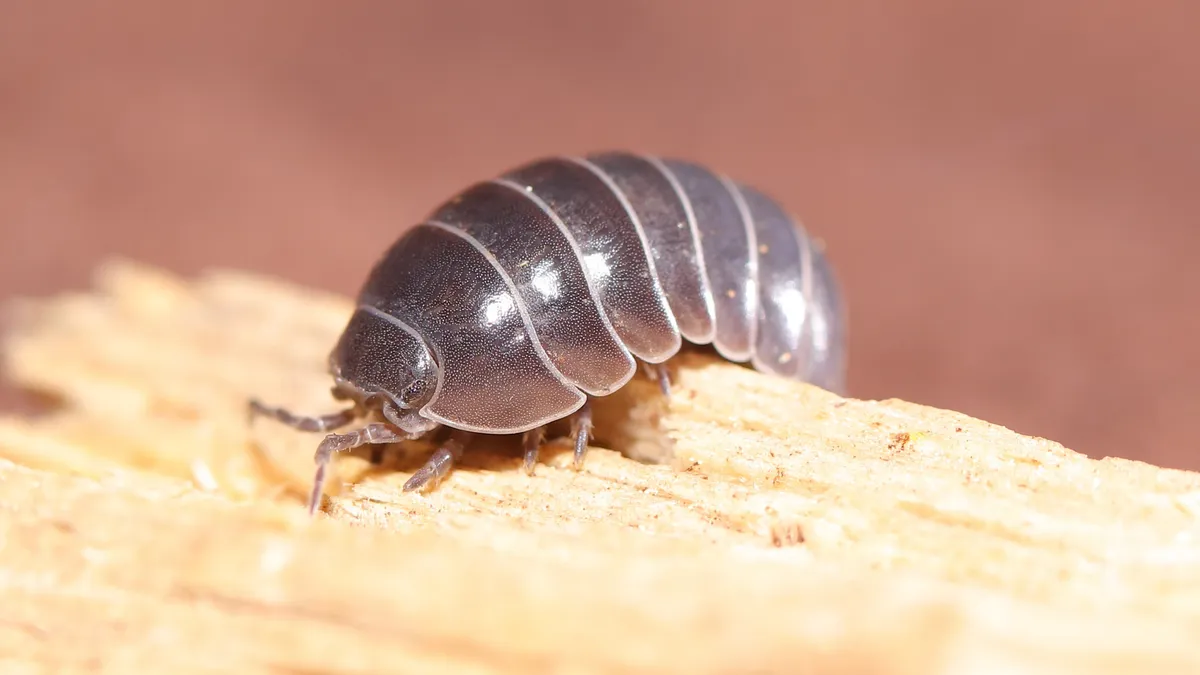
A typical sow bug concern begins when a homeowner notices several small, dark pests around a basement floor, bathroom or foundation wall.
When I assess this type of activity, I look for more than the sow bugs themselves. Persistent indoor activity is often connected to moisture, exterior shelter and accessible gaps around the building.
Sow bugs normally live outdoors, but damp conditions can support activity close to the foundation and allow them to wander inside.

The Problem
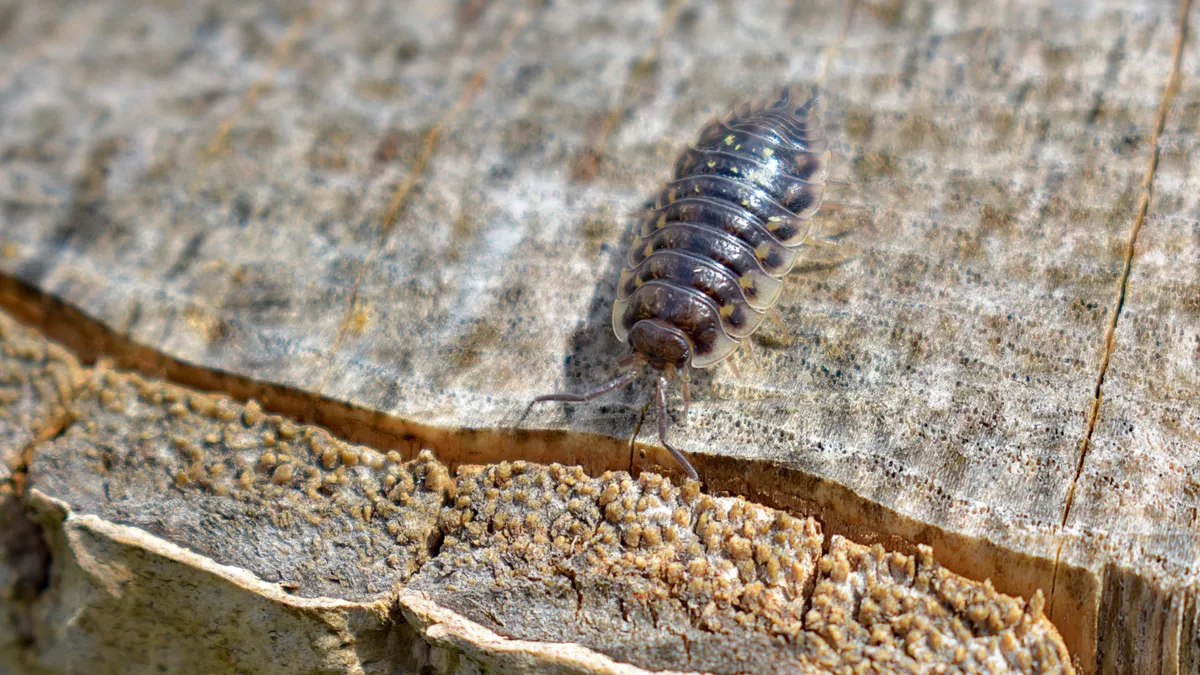
Sow bugs depend on moisture and commonly shelter beneath damp materials around a property.
Areas that may support activity include:
Wet leaves and decaying vegetation
Damp mulch near the foundation
Stones, boards and stored materials
Poorly drained areas beside the building
Moist foundation walls
Basement cracks and accessible gaps
Bathrooms or utility areas with excess moisture
Spaces with limited airflow or ventilation
Sow bugs are generally nuisance pests. They do not usually bite or sting, but repeated indoor activity may point to a damp area that deserves attention.
Removing only the visible pests may provide temporary improvement without addressing the moisture and shelter supporting the concern.
The Process
I begin by asking where the sow bugs are appearing and whether the activity increases after rain, watering or other damp conditions.
Next, I inspect accessible basement and foundation areas for moisture, cracks and possible entry points. I also review outdoor areas for wet vegetation, mulch, boards and other sheltering materials.
The activity pattern helps determine whether the primary source is indoors or around the exterior foundation.
The recommended service may combine targeted sow bug extermination with practical guidance for moisture reduction, drainage, ventilation and exterior maintenance.
The Outcome
Once the affected areas and moisture conditions are identified, the homeowner has a clearer plan for reducing the activity.
Targeted service can address visible sow bug activity, while changes around the foundation can make the area less suitable for them.
The best longer-term results generally come from combining pest service with moisture and shelter reduction.

DIY Advice I Shared
These practical steps may help make the property less attractive to sow bugs:
Remove wet leaves and decaying vegetation
Move boards, stones and stored materials away from the foundation
Avoid allowing mulch to remain excessively wet
Improve drainage around the building where possible
Allow soil to dry between watering
Prune dense vegetation to improve airflow
Check foundation walls and windows for accessible cracks
Use ventilation or a dehumidifier in damp basement areas
Repair plumbing leaks and other moisture sources
Monitor where activity appears after wet weather
Reducing moisture is especially important because sow bugs require damp conditions to survive.
"It's brighter than before!"
— Megan
Professional Insight
Finding one or two sow bugs indoors does not always mean there is a major infestation. However, persistent activity may indicate excess moisture, damp organic material or an accessible opening nearby.
That is why an inspection should consider both the visible pests and the surrounding property conditions.
Targeted extermination can address the current activity, but moisture management can play an important role in reducing recurring problems.
Closing Thoughts
If sow bugs continue appearing in your basement, do not focus only on removing the ones you can see. Check for damp conditions, poor drainage and sheltering materials around the foundation.
Wayne’s Pest Extermination provides sow bug extermination and practical prevention guidance across Stittsville & Greater Ottawa.
Call +1 343-308-7224 or complete the website form to request service.
Thanks for reading,
— Wayne’s Pest Extermination
Address
Sweetnam Dr, Stittsville, ON K2S 1G2, Canada
Contact Us
Call: +1 343-308-7224
© 2026 Wayne's Pest Extermination. All Rights Reserved.